


 Sakilahmed
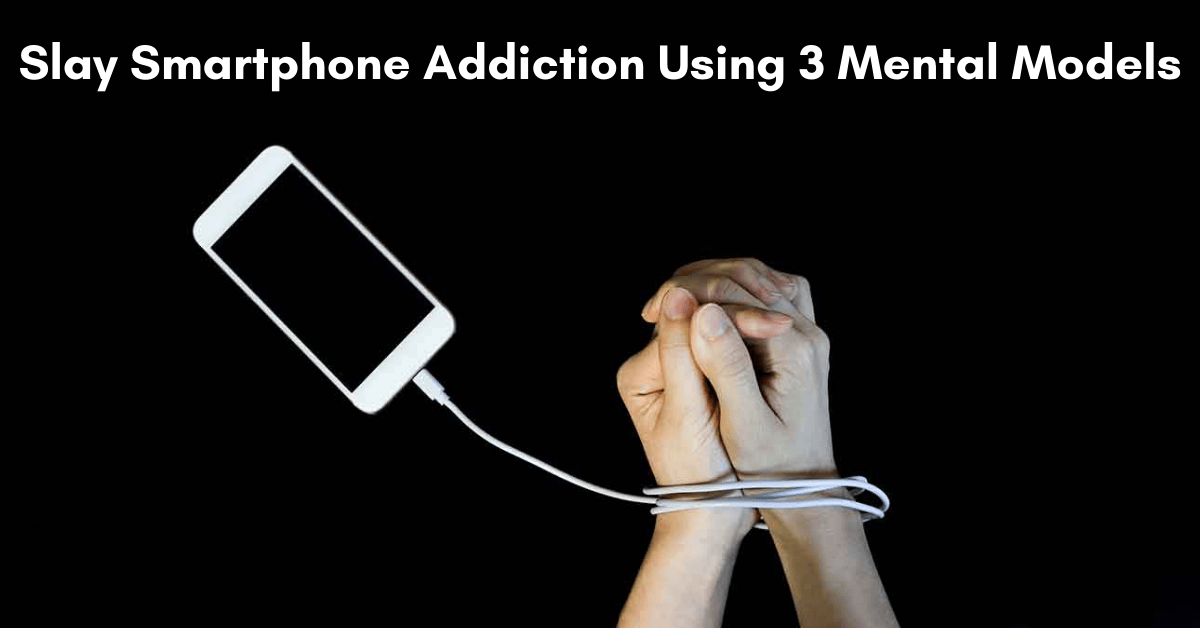
You’re sitting at your desk, trying to write a report. Your phone buzzes. Just a quick check, you think. Suddenly, it’s 20 minutes later, and you’re knee-deep in TikTok memes about cats wearing hats. Meet Emily, a freelance writer from Portland. She used to brag about her “multitasking superpowers”—until she realized she was spending 4.3 hours a day mindlessly scrolling. “I’d pick up my phone to check the time and end up in a Wikipedia rabbit hole about ancient pickles,” she says. “It’s embarrassing.”
Here’s the brutal truth: The average person checks their phone every 6.5 minutes. That’s 150+ times a day! But it’s not just wasted time—it’s stolen focus, creativity, and peace. Let’s unpack 3 mental models to break free for good.
Part 1: Why Your Brain is Hooked (It’s Not Your Fault)
Your phone isn’t just a tool—it’s a slot machine. Every notification triggers a dopamine hit, the same chemical that makes gamblers crave another pull. Dr. Anna Lembke, a Stanford addiction expert, calls this the “dopamine loop.” You check → you get a reward (a like, a message) → you crave more. It’s why you feel phantom vibrations in your pocket.
A 2023 University of Texas study found that just having your phone nearby reduces cognitive capacity by 20%—even if it’s face down. “Your brain is subconsciously wondering, Did someone text? What’s new on Instagram?” says researcher Adrian Ward.
Case Study: Jake, a lawyer in Austin, tried “digital detoxes” but always relapsed. “I’d last a day, then binge-scroll for hours,” he admits. His breaking point? Missing his daughter’s soccer goal because he was tweeting about… soccer.
Mental Model 1: The 20-Second Rule (Make Laziness Work For You)
Shawn Achor, Harvard researcher and author of The Happiness Advantage, coined this idea: Increase the friction between you and bad habits. If it takes 20+ seconds to start a habit, you’ll likely quit.
How to Apply It:
- Move your phone charger to another room overnight.
- Delete social media apps from your home screen (bury them in folders).
- Use a dumb alarm clock ($12 on Amazon) so your phone isn’t the first thing you touch.
Real-Life Win: Sarah, a teacher in Denver, put her phone in a locked drawer during work hours. “The first week was hell,” she laughs. “I’d walk to the drawer, stare at it, then walk back. But now? I finish grading papers by 3 PM.”
Pro Tip: Buy a $15 timed lockbox (e.g., Kitchen Safe) for compulsive scrollers. “I lock my phone during dinner,” says Mark, a dad in Chicago. “My kids mock me, but at least we talk.”
Mental Model 2: Habit Stacking (Replace the Urge, Don’t Erase It)
James Clear, author of Atomic Habits, says you can’t just delete a habit—you have to replace it. Pair phone cravings with a healthy action.
How to Apply It:
- Every time you reach for your phone, do 5 squats instead.
- Use the “Do Not Disturb” feature during work blocks, and reward yourself with 5 minutes of scrolling after you finish a task.
- Keep a $2 notebook nearby. When the itch hits, jot down a thought instead.
Case Study: Mike, a college student in Miami, replaced late-night scrolling with journaling. “I wrote cringey poetry for weeks,” he says. “But now I fall asleep faster, and my grades jumped.”
Slip-Up Story: Lisa, a nurse in Seattle, tried habit stacking but kept relapsing during night shifts. “After 3 days, I was stress-eating gummy bears and scrolling,” she admits. Her fix? She swapped her phone for a crossword app during breaks. “Still distracting, but less guilt.”
Also Read: The 2-Minute Rule That Changed My Productivity Forever (No BS)
Mental Model 3: The “Price Tag” Model (What’s Each Scroll Costing You?)
Every time you pick up your phone, imagine a dollar counter ticking up. A 2024 study found the average American loses $1,200/year in wasted productivity due to phone distractions.
How to Apply It:
- Track your screen time for a week (iPhone’s Screen Time or Android’s Digital Wellbeing). Multiply your hourly rate by wasted hours. Example: If you make 30/hourandwaste10hours/week,that’s∗∗30/hourandwaste10hours/week,that’s∗∗15,600/year**. Ouch.
- Use apps like Freedom ($6.99/month) to block distracting sites during work hours.
- Put a sticky note on your phone: “Is this worth $5?”
Real-Life Win: Tom, a real estate agent in San Diego, calculated he was losing 22,000/yearinmissedsalesfromphonedistractions.Heboughta22,000/yearinmissedsalesfromphonedistractions.Heboughta200 minimalist phone (Light Phone II) for workdays. “Clients get my full attention. I closed 3 extra deals last month.”
Fail Moment: Rachel, a blogger in Nashville, tried the price tag model but ignored it. “I kept lying to myself—This scroll is research!” Her wake-up call? Her 6-year-old son said, “Mom, your phone is your best friend.”
Part 4: Tools to Fight Back (Without Throwing Your Phone in a Lake)
- Forest App ($3.99/month): Grow virtual trees by staying focused. “I’ve saved 1,200 trees and my GPA,” says college student Emily.
- OneSec (Free): Forces you to wait 10 seconds before opening social apps. “I deleted Instagram 4 times last week,” jokes Dave, a mechanic in Ohio. “But it works.”
- Grayscale Mode: Turn your screen black-and-white. “Makes Instagram look depressing,” says Maria, a teen in NYC. “I scroll 80% less.”
Your Action Plan (Embrace the Mess)
- Start With One Model: Pick the 20-Second Rule or Habit Stacking. “Trying all 3 at once is like quitting caffeine, sugar, and TikTok cold turkey—you’ll implode,” warns Jake.
- Forgive Relapses: Sarah slipped up during a family reunion. “I took 200 photos and missed the whole event. Now I use a DSLR camera instead.”
- Celebrate Tiny Wins: Avert your eyes from a notification? Do a victory dance. “My coworkers think I’m weird, but IDGAF,” laughs Mark.
Also Read: Why Multitasking is Destroying Your Focus And What to Do Instead
FAQ: Your Phone Addiction Questions, Answered
1. “What if I need my phone for work?”
Separate work and personal apps. Use a second phone number (Google Voice, $10/month) for business. “Clients get my work phone; TikTok gets the burner,” says Tom.
2. “But I get FOMO if I don’t check!”
FOMO is a liar. A UC Berkeley study found people overestimate social media “rewards” by 300%. “I thought I’d miss out on parties,” says Mike. “Turns out, I just missed out on fake FOMO.”
3. “How do I handle group chats?”
Mute them. Emily says, “I told my friends, ‘Text me if it’s urgent.’ Now we actually talk on weekends.”
4. “What if my partner is addicted too?”
Create “phone-free zones.” Dinner table, bedroom, etc. “We charge our phones in the garage at night,” says Lisa. “Best decision ever.”
5. “Help! I relapsed after 2 days!”
Normal. Dr. Lembke says it takes 30 days for dopamine receptors to reset. “I relapsed 17 times,” admits Rachel. “Now I’m 4 months clean.”
Final Thought: Your Phone is a Tool, Not a Tyrant
Smartphone addiction isn’t a moral failure—it’s a design flaw. These devices are engineered to hook you. But with the right mental models, you can reclaim your focus. Will it be easy? Nope. Will you slip up? Absolutely. But every time you resist the scroll, you’re rewiring your brain for calm, creativity, and control.
So put your phone down. Yes, right now. Take a deep breath. That email, that meme, that notification—it can wait. Your life can’t.