

 Sakilahmed
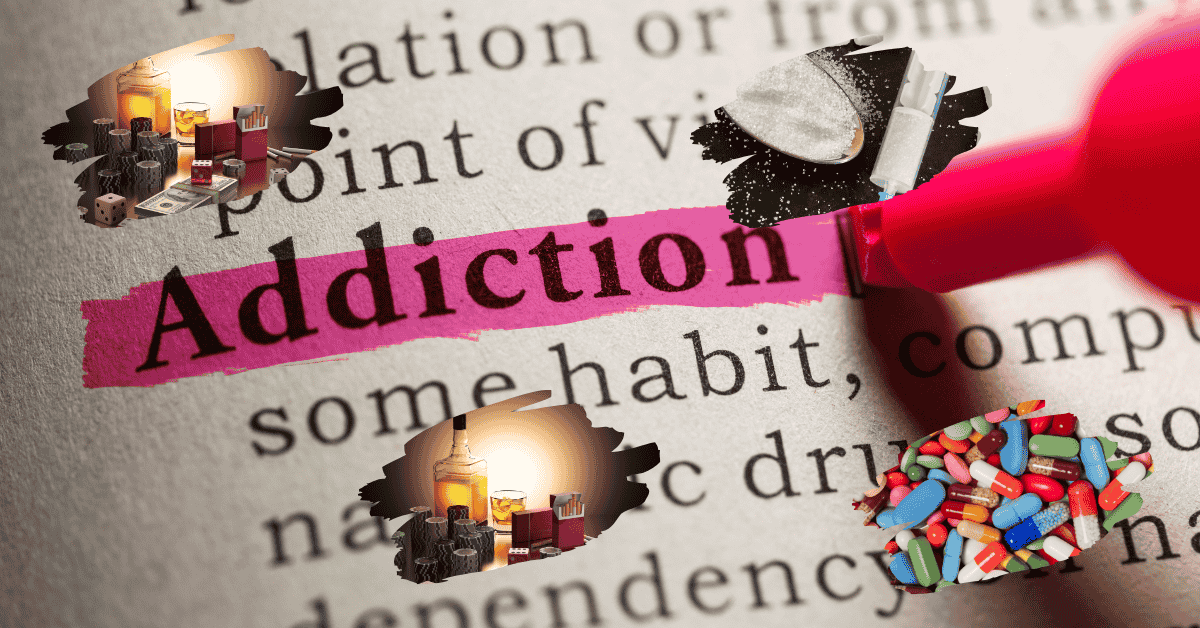
Addiction isn’t just drugs or alcohol. It’s the late-night TikTok scrolls you can’t quit. The secret Amazon orders your credit card groans about. The gym routine that turns into an obsession, leaving you injured and isolated. Meet Carlos, a construction worker from Houston. He swore he’d never end up like his dad, a recovering alcoholic. Then he got hooked on energy drinks—12 cans a day, heart palpitations, and a $400/month habit. “I thought addiction was about ‘bad people,’” he says. “Turns out, it’s about hurting people.”
Addiction is a brain hijacking. It’s not weakness; it’s wiring. Let’s unravel the types, the science, and the gritty strategies to reclaim your life.
Part 1: The 4 Types of Addiction (And How They Sneak Up On You)
1. Substance Addiction: More Than Just “Drugs”
Examples: Alcohol, nicotine, opioids, even caffeine.
The Science: Substances flood your brain with dopamine, the “feel-good” chemical. Over time, your brain stops producing it naturally.
Case Study: Sarah, a nurse in Denver, got hooked on prescription painkillers after a car accident. “I told myself I needed them for the pain. Then I needed them to feel normal.” She lost her job, custody of her kids, and nearly her life. After rehab, she’s 3 years clean.
Red Flags:
- Needing more to get the same effect (tolerance).
- Withdrawal symptoms (shaking, nausea, anxiety).
2. Behavioral Addiction: When Habits Become Hell
Examples: Gambling, shopping, gaming, porn, workaholism.
The Science: Behaviors trigger dopamine spikes similar to drugs. The brain craves the “high” of a win, a purchase, or a like.
Case Study: Mike, a lawyer in Miami, blew $250,000 on online poker in 2 years. “I’d tell my wife I was working late. Really, I was in my office, chasing losses until 3 AM.” He filed for bankruptcy but now leads a support group for gambling addicts.
Red Flags:
- Lying about the behavior.
- Neglecting relationships or responsibilities.
Also Read: Slay Smartphone Addiction Using 3 Mental Models That Reclaim Focus
3. Technology Addiction: Your Phone Isn’t Innocent
Examples: Social media, gaming, doomscrolling.
The Science: Notifications create a “variable reward system”—like a slot machine. You never know when you’ll get a “win” (a like, a message), so you keep checking.
Case Study: Emily, a college student in Boston, averaged 9 hours/day on Instagram. “I failed 3 classes. My mom staged an intervention with a flip phone.” She now uses app blockers and studies in the library—phone-free.
Red Flags:
- Anxiety when separated from your device.
- Phantom vibrations (thinking your phone buzzed when it didn’t).
4. Food Addiction: When Eating Becomes a Prison
Examples: Binge eating, sugar addiction, orthorexia (obsession with “clean” eating).
The Science: Sugar and processed foods light up the same brain regions as cocaine.
Case Study: Linda, a teacher in Seattle, struggled with binge eating since high school. “I’d eat until I threw up, then hate myself.” Therapy and meal planning helped her break the cycle.
Red Flags:
- Eating in secret.
- Using food to numb emotions (stress, sadness).
Also Read: The Ugly Truth About Addiction No One Talks About
Part 2: Why We Get Hooked (Blame Your Brain, Not Your Willpower)
Addiction isn’t a moral failing. It’s biology. Here’s the breakdown:
- The Dopamine Trap: Every addictive substance or behavior spikes dopamine. Over time, your brain needs more to feel pleasure.
- The Amygdala Hijack: Stress triggers cravings. The amygdala (your brain’s “panic button”) screams, Do the thing! It’ll help!
- Genetic Roulette: 40-60% of addiction risk is genetic. If your parent struggled, your odds are higher.
Case Study: James, a veteran in San Diego, started drinking to cope with PTSD. “My dad was an alcoholic. I swore I’d never be like him. Then… I was.” Genes loaded the gun; trauma pulled the trigger.
Part 3: How to Break Free (The 3-Step Survival Guide)
Step 1: Admit You’re Not in Control (This Sucks, But It Works)
Denial is addiction’s BFF. Admitting powerlessness isn’t weakness—it’s clarity.
How:
- Write a “cost-benefit” list. Example: “Costs: $500/month on vaping, constant cough. Benefits: 5 minutes of stress relief.”
- Tell someone. Carlos texted his sister: ”I’m drinking 12 Monsters a day. Help.”
Step 2: Replace, Don’t Erase
You can’t just quit a habit—you need a healthier habit.
How:
- Substance Addiction: Swap alcohol with kombucha or CBD seltzer ($4/can).
- Tech Addiction: Replace scrolling with audiobooks or puzzles.
- Food Addiction: Keep chopped veggies handy for stress snacking.
Case Study: After her gambling spiral, Mike started hiking. “Nature doesn’t judge. Plus, no Wi-Fi in the mountains.”
Step 3: Build a Fortress of Support
Addiction thrives in isolation. Fight back with connection.
How:
- Therapy: CBT (Cognitive Behavioral Therapy) rewires thought patterns.
- Support Groups: AA, SMART Recovery, or even Reddit communities (r/StopGaming).
- Accountability Partners: Emily’s roommate hides her phone during study hours.
Pro Tip: Use “urge surfing.” When cravings hit, ride them like a wave—they peak in 20 minutes. Distract yourself with push-ups, a cold shower, or a TikTok detox app like OneSec (free).
Part 4: Real Talk—Relapse Isn’t Failure (It’s Data)
Relapse rates for addiction are 40-60%. It’s not about falling—it’s about getting up.
Case Study: Sarah relapsed twice after rehab. “I felt like a fraud. My counselor said, ‘What triggered you? Let’s fix that.’” She realized stress at work was her kryptonite and switched departments.
How to Bounce Back:
- HALT: Are you Hungry, Angry, Lonely, Tired? Fix that first.
- Analyze the Slip: What happened? A fight? Boredom? Adjust your plan.
- Forgive Yourself: Linda says, “I used to self-punish with more binges. Now I say, ‘Okay, reset.’”
Part 5: Tools to Stay on Track (No Willpower Required)
- Reframe App (Free): Daily journaling prompts to track triggers.
- KSafe ($59): Timed lockbox for phones, credit cards, or vapes.
- Naltrexone: Prescription medication that blocks alcohol cravings ($30/month with insurance).
FAQ: Your Addiction Questions, Raw Answers
1. “Can I quit cold turkey?”
Depends. Alcohol/benzos can kill you—get medical help. For habits like shopping or porn, cold turkey might work.
2. “How do I help an addicted loved one?”
Don’t enable. Say, “I love you, but I won’t fund your habit.” Offer to drive them to therapy.
3. “Is AA religious?”
It’s spiritual, not religious. Alternatives: SMART Recovery (science-based) or Dharma Recovery (Buddhist).
4. “What if I’m addicted to healthy things?”
Exercise or eating “clean” becomes toxic when it harms your health or relationships. Balance > extremes.
Final Thought: Your Life is Worth More Than a Hit
Addiction is a thief. It steals time, money, and joy—but recovery is possible. It’s messy. It’s unfair. But every small win (a day sober, a phone-free hour) is a middle finger to the darkness.
You’re not alone. You’re not broken. And you’re stronger than your cravings. Start now. Call a friend. Delete that app. Throw out the bottle. The first step is the hardest. The rest? One breath at a time.